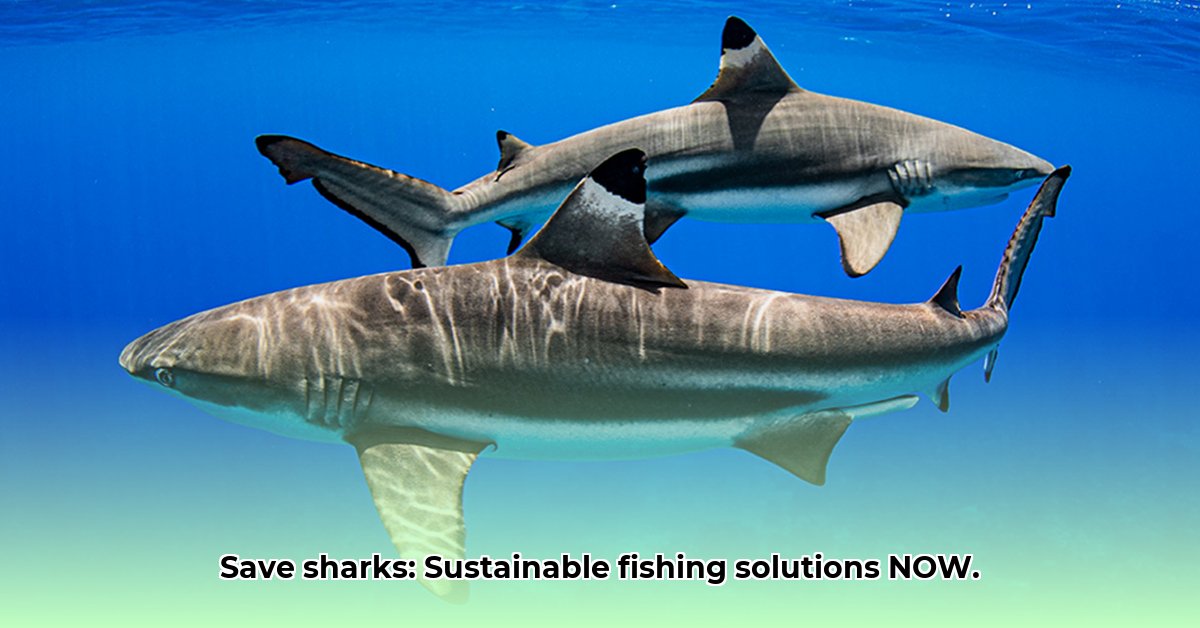
Understanding the Global Shark Crisis
Shark populations worldwide are facing a critical threat: extinction. Decades of unsustainable fishing practices, primarily driven by the demand for shark fin soup and devastating bycatch, have pushed many species to the brink. This isn't just an environmental concern; it threatens the delicate balance of marine ecosystems and has significant economic implications for sustainable fisheries. Can we reverse this trend? The answer is a resounding yes, but it requires immediate and concerted global action. Learn more about shark conservation efforts here.
The Root Causes of Shark Decline
Sharks' unique biological characteristics—slow growth, late maturity, and low reproductive rates—render them exceptionally vulnerable to overfishing. This is analogous to deforestation where the removal of mature, seed-producing trees prevents forest regeneration. The insatiable demand for shark fin soup, a luxury delicacy in some cultures, fuels a cruel and wasteful practice: shark finning. This involves removing fins and discarding the body, leading to immense mortality and ecosystem disruption. Adding to this crisis is the significant issue of bycatch, where sharks are unintentionally caught by fishing gear targeting other species.
How can we effectively combat these challenges and ensure the survival of these magnificent creatures? The answer lies in a multi-pronged approach incorporating data-driven strategies and international cooperation.
A Data-Driven Approach: Sustainable Fisheries KPIs
Effective shark conservation hinges on implementing and monitoring key performance indicators (KPIs) within the framework of sustainable fisheries management. By tracking these crucial metrics, we can objectively assess the effectiveness of our conservation efforts and adapt our strategies accordingly. Crucial KPIs include:
Shark Catch Rates: Monitoring the number of sharks caught per unit of fishing effort helps determine if fishing levels are sustainable and if populations are recovering.
Bycatch Rates: Tracking the number of sharks caught incidentally alongside target species allows for the identification of problematic fishing gear and practices, paving the way for improvements.
Shark Fin-to-Body Ratio: Analyzing this ratio helps to detect shark finning, a cruel and wasteful practice where fins are harvested, and the body discarded. A low ratio is a clear indicator of illegal activity.
Market Monitoring: Tracking shark fin trade volume and prices provides insights into consumer demand and the efficacy of trade restrictions.
Dr. Anya Sharma, Marine Biologist at the Scripps Institution of Oceanography, emphasizes the importance of data: "Robust data collection is paramount. Without accurate, consistent data, our conservation efforts are essentially flying blind. KPIs provide the crucial metrics that drive informed decision-making and measure success."
Global Collaboration: A Shared Responsibility
Effective shark conservation necessitates strong international cooperation. While organizations like CITES (Convention on International Trade in Endangered Species) provide legal frameworks, consistent enforcement varies significantly across nations. The following actions are crucial:
Strengthening International Agreements: Harmonizing regulations across nations and fostering information sharing are paramount.
Technological Advancements: Utilizing Vessel Monitoring Systems (VMS) and electronic catch reporting enhances transparency and improves enforcement capabilities.
Increased Penalties: Implementing stringent penalties for violations acts as a powerful deterrent against illegal fishing activities.
Actionable Steps: A Multi-Stakeholder Approach
The responsibility for shark conservation rests on multiple stakeholders. Their specific actions include:
Governments: Enact and strictly enforce bans on shark finning; invest in robust monitoring and control systems.
Fishing Industries: Adopt sustainable fishing practices, invest in bycatch reduction technology, and explore alternative livelihoods.
Consumers: Reduce demand for shark fin products by choosing sustainable seafood options and supporting organizations dedicated to shark conservation.
Did you know that 100 million sharks are estimated to be killed annually, mostly due to unsustainable fishing practices? This staggering number underscores the urgency of implementing these actionable steps.
The Future of Sharks: A Call to Action
The challenges are monumental, but not insurmountable. The path to a future where sharks thrive requires a global commitment to sustainable fishing practices, robust enforcement, and continuous data-driven refinement of conservation strategies. By uniting our efforts, we can secure the survival of these magnificent creatures for generations to come and preserve the health of our oceans. The time to act is now. The future of sharks, and the health of our planet, depends on it.